My air conditioner uses a flammable refrigerant. Should I be concerned?
With the growing demand for more sustainable and energy-efficient equipment, air-conditioning systems have undergone significant evolution over the years, especially regarding refrigerants. In the past, fluids such as CFCs, for example R-22, were widely used. Although efficient, they had a high environmental impact, with elevated Global Warming Potential (GWP) and Ozone Depletion Potential (ODP).
As environmental regulations advanced, less harmful alternatives emerged, such as HCFCs and later R-410A, which has zero ODP but still presents a relatively high GWP. Currently, this refrigerant is being replaced by R-32, which is less polluting and offers similar cooling performance.
When purchasing equipment that uses R-32, it is common for consumers to notice the flammability label, which may raise questions and concerns about system safety. This concern is understandable, as poorly communicated information often associates flammable refrigerants with explosion risks or serious system failures.
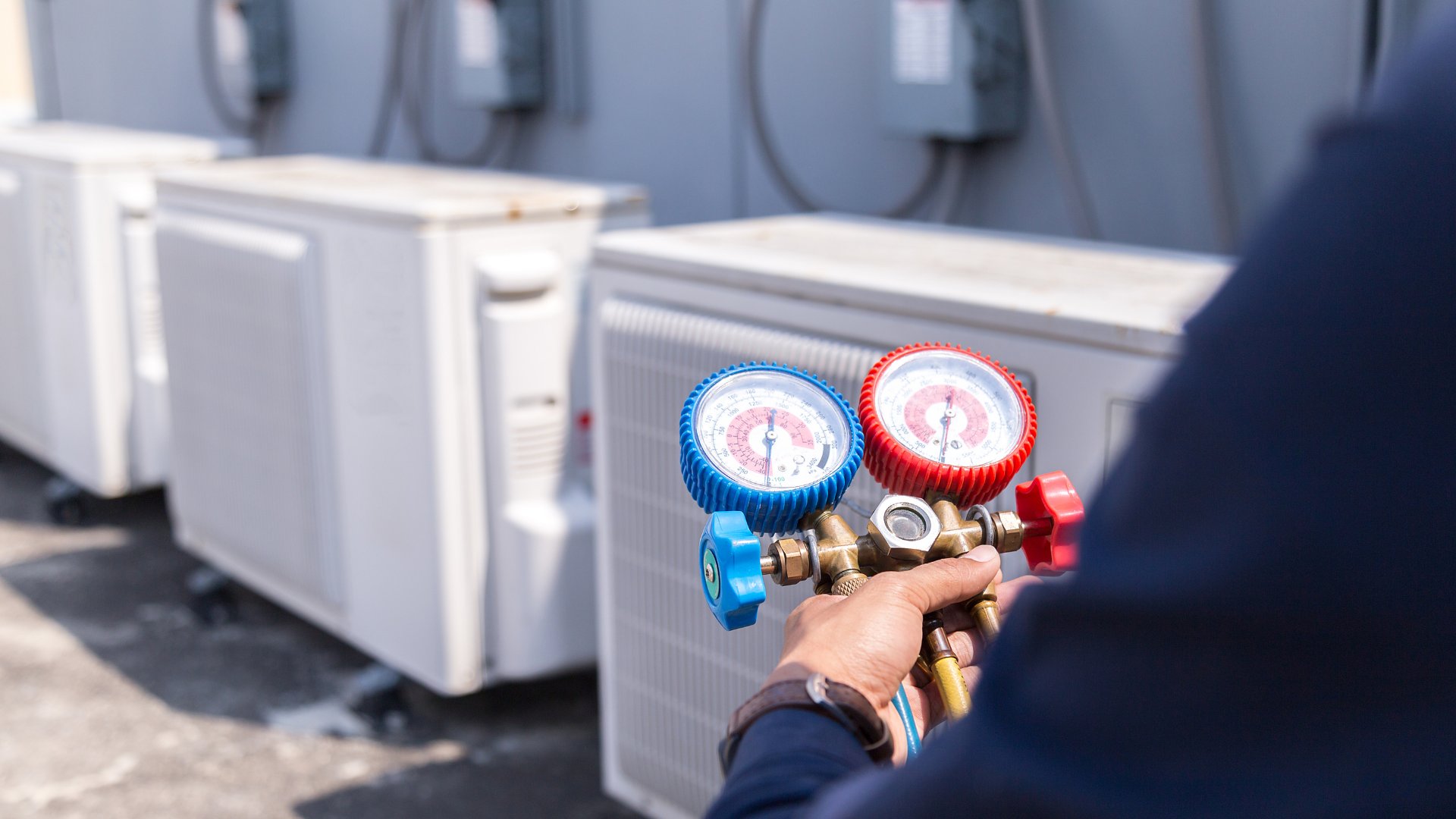
In practice, however, these systems are designed to operate safely. Although R-32 is classified as a mildly flammable refrigerant, it can be used safely as long as proper installation and maintenance procedures are followed. These include nitrogen leak testing to identify possible leaks, proper system evacuation to remove moisture and contaminants, and the use of materials, tools, and components certified by regulatory bodies.
When these refrigeration best practices are respected, the risk of accidents becomes extremely low. Therefore, what matters most is not only the type of refrigerant used, but the qualification of the professionals responsible for installing and maintaining the equipment.
At ARGREEN, we rely on trained and experienced teams that strictly follow ASHRAE technical recommendations and Brazilian Regulatory Standards (NBRs), ensuring the delivery of safe, efficient, and reliable HVAC systems, providing thermal comfort and peace of mind to our clients.
 Português do Brasil
  English
  Español